Stop saying 조금! You can say… #learnkorean #koreanlanguage #koreanlesson #koreancourse
BDB Korean
@hoorimi🩵1:1 Lessons, Group Lesson🩵
🔗 bdbkorean.com ↗🔎 Détails (profil + refresh) ouvrir
Speak Korean in natural way😉 You don’t need to use complicated grammar to be good at Korean. Even with simple grammar, if you understand the kinds of expressions Koreans prefer, you’ll sound really natural and fluent. Don’t study in a hard way learn simply but effectively! ⭐️Speaking Starter⭐️ https://www.bdbkorean.com/group-lessons/speaking-starter
Most students think the opposite of “맛있어” is “안 맛있어.” Because in English, we say “It’s not delicious.” So we use “not,” right? But… REAL KOREAN! In natural Korean, we say “맛없어.” Literally, it’s like saying “the taste doesn’t exist.” 😆 Koreans might speak gently in daily life, but when it comes to food? We’re very clear about it. Haha 🍜🔥 #learnkorean #koreanlanguage #koreanlesson #koreancourse
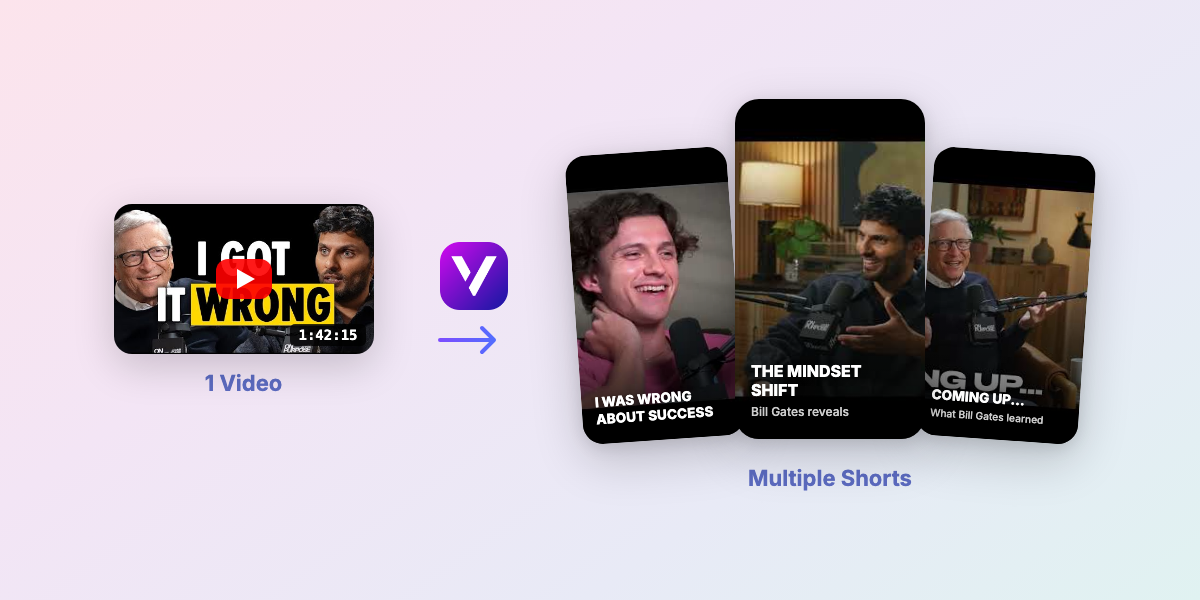
Turn 1 Long Video into 10 Viral Shorts
Upload one YouTube video and auto-generate multiple TikToks, Reels, and Shorts in minutes.
We don’t alway say 가끔! We say….
Can you here this? 🇰🇷
How to say ‘rare’ in Korean? We say ‘드물다‘ 😊 —————————- Let me show you the difference! Kind of lifestyle is rare. 1. 그런 생활은 별로 안해 2. 그런 생활은 드물어 People like that are really rare too. 1. 그런 사람도 별로 없어 2. 그런 사람도 드물어 That’s rare as well 1. 그것도 진짜 자주 없는 일이야. 2. 그것도 진짜 드물어 ————- You might also think of rare as meaning 희귀하다, not just 드물다. But there’s an important difference 👇 드물다 - Something happens infrequently - It does not happen often, it is hard to see - Commonly used for situations, people, or actions 희귀하다 - The number itself is very small - Feels limited, valuable, or special - Commonly used for objects, animals, or resources Wow! Enjoy the many charms of Korean today too >_< ✨
Real Korean, we don’t say 보통 ‼️
Real Korean? Just one word is enough 😉
What’s the difference between 이미 VS 벌써? 이미 means already It focuses on the result. Something is done. 👉 이미 + verb 이미 먹었어요 = I already ate 이미 끝났어요 = It’s already finished 벌써 also means already But it adds the feeling of earlier than expected. 👉 벌써 + verb 벌써 왔어요? = You’re already here? 벌써 10시예요 = It’s already 10 o’clock 👉 One line summary 이미 = already (the result) 벌써 = already (sooner than expected) ✅ Want to get real Korean like this? Follow my channel.🩵 ✅ Korean live Zoom lesson : bdbkorean.com #koreangrammar #whatsthedifference #koreanteacher #koreanlesson
We don’t say 때는 ❌ we say 땐 😉✅
Turn 1 Long Video into 10 Viral Shorts
Upload one YouTube video and auto-generate multiple TikToks, Reels, and Shorts in minutes.
Real Korean, we don’t say ‘질문하다‘😲 ‘To ask (a question)’ is correct for “질문하다,” but in everyday conversation you can use it more casually, like “to ask” or “to ask someone something.” 질문하다 vs 물어보다 질문하다 Formal, structured Used in class, interviews, meetings → ask a question 물어보다 Casual, conversational Used in everyday situations Directions, names, phone numbers → ask / ask about ✨ Same meaning, different vibe #koreanlesson #koreancourse #koreanteacher #studykorean #studykoreanwithme
모든 VS 뭐든, what’s the difference? #learnkorean #koreanlanguage #koreanlesson #koreancourse #koreanteacher
We don’t only say -아서/어서🚫 #learnkorean #koreanlanguage #koreanlesson #koreancourse
Real Korean, we don’t say 여기와 😉 #learnkorean #koreanlanguage #koreanlesson #koreancourse
English vs Korean, different ways of thinking🧠? 🇺🇸English tends to focus on the result or main action. Because of this, speakers often choose one concise verb that efficiently delivers the core meaning. Details about how the action happens are frequently omitted unless they are especially important to the message. 🇰🇷Korean, on the other hand, places more emphasis on the process of an action. Rather than compressing meaning into a single verb, Korean often combines two verbs to describe the sequence or manner of what is happening. This allows the speaker to show direction, intention, or the steps involved in the action itself. ⭐️That’s why Korean has so many expressions like “가서 먹다(go and eat),” “시켜 먹다(order and eat),” “주워 오다(pick up and bring),” “사서 가다(buy and go)” and more. 🙌This difference is not about one language being more detailed or more efficient than the other. It is about what each language considers important to communicate by default. English prioritizes clarity and efficiency. Korean prioritizes context, process, and the speaker’s perspective. 🩵Understanding this difference helps learners move beyond direct translation and begin to think in the target language. When you stop trying to match words one to one and instead focus on how each language structures meaning, your expressions become much more natural. 😘
- Je compte uniquement les vidéos ≥ 60 secondes (tu m’as dit que <60s = pas pris en compte).
- Calcul sur les 30 derniers jours (dans la limite des 35 dernières vidéos qu’on a dans le JSON).
- RPM estimé : 0.95€/1k vues (range 0.67–1.24) basé sur ER + save rate + durée moyenne.
- Résultat: 0€ sur 30j (range 0€–0€), pour 0 vues éligibles et 0 vidéos ≥60s.
- Emoji + note /10 = performance globale de la vidéo (views + ER + saves).
- ER = (Likes + Commentaires + Partages) / Vues • Save rate = Sauvegardes / Vues.
- Badges “Au-dessus / En dessous” = comparaison directe à la moyenne de TON compte.
Clipping is the fastest way to repurpose content: one long video becomes multiple short viral formats. Example: 1 YouTube video -> 10 Shorts/TikToks.
- 1 long video -> multiple Shorts/TikToks
- Auto subtitles synced to every clip
- Vertical exports optimized for watch time